The Safe Setup
- Power inlet box mounted on an outside wall, rated for your generator’s output.
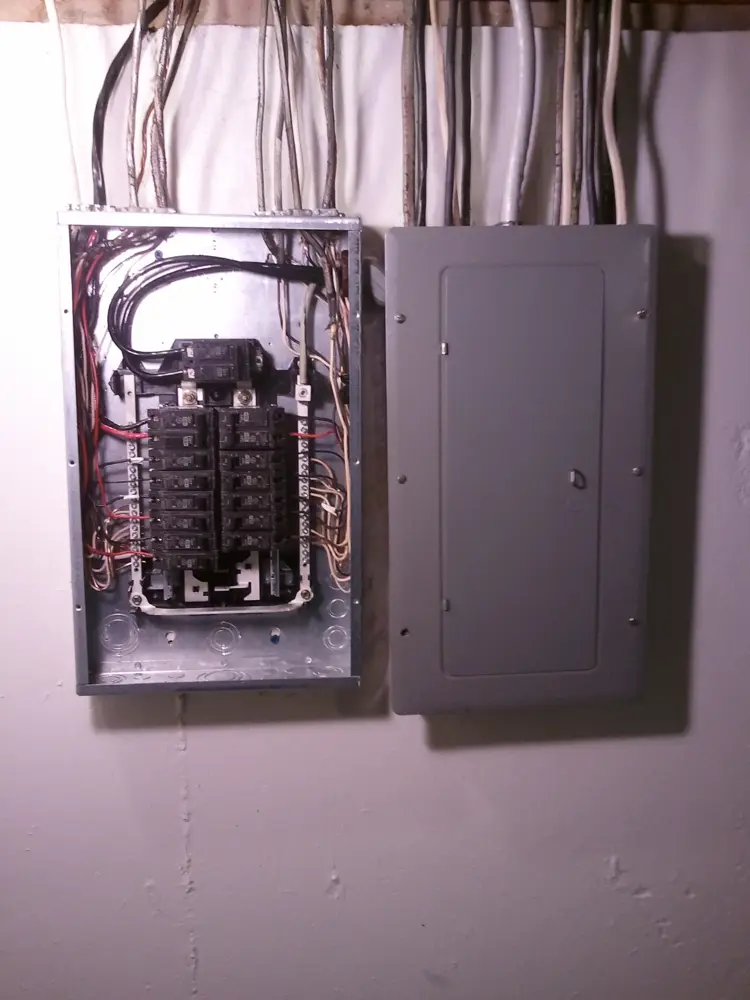
- Interlock kit or manual transfer switch at the panel, so the main breaker must be off before the generator breaker can be on.
- A generator cord of the right gauge and plug type between the generator and inlet.
What Not to Do
Never plug a generator into a wall outlet with a double-male cord. It energizes your house wiring with no protection and can push power back through the meter to the street. The U.S. Consumer Product Safety Commission also warns that portable generators produce carbon monoxide: run them outdoors only, far from windows, doors and vents, never in a garage, and keep battery-powered CO alarms working inside.
What It Costs
| Item | Published range |
|---|---|
| Portable generator | $500–$2,500 (HomeGuide) |
| Transfer switch for a portable | $400–$1,300 (HomeGuide) |
| Interlock kit installed | $400–$850 (HomeGuide) |
Limits to Expect
- You must be home to start it, fuel it and run the cord.
- Gasoline has to be stored and rotated. Many stations cannot pump during an area-wide outage.
- Most portables cannot start a central AC compressor. Plan for fans or a window unit instead.
- Manage loads yourself by turning breakers on one at a time.
Is It Permitted Work?
Yes. Adding an inlet and interlock modifies your panel. In Broken Arrow that means a licensed, city-registered electrical contractor or a homeowner permit, followed by inspection (City of Broken Arrow permitting and licensing).
Upgrading Later
If you start with a portable and later want automatic backup, the inlet can usually stay. The standby unit gets its own transfer switch. See how standby units work.
Request a Generator Installation Quote
Answer two quick questions. An independent installer that serves Broken Arrow will contact you to schedule a site visit and a written estimate.
Please note: Broken Arrow Generators connects homeowners with independent local generator installers. We are not a contractor and do not do the work.